MDCAT 2026
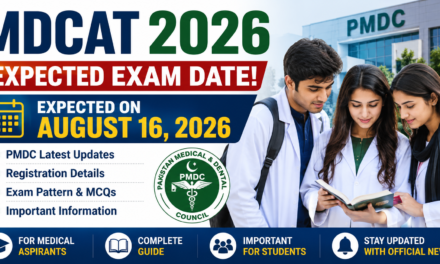
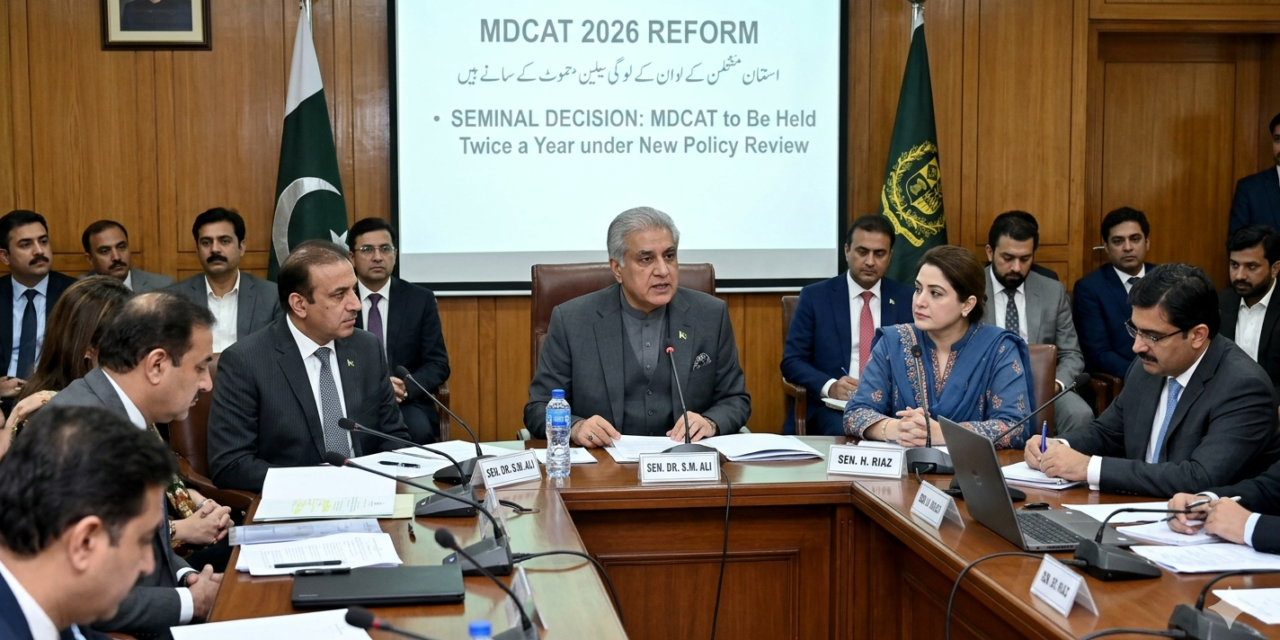
The Senate Standing Committee on a National Health has put forward a significant proposal of policy which is aimed at transforming the medical education system of Pakistan. One of the most notable suggestions is to conduct the Medical and Dental College Admission Test (MDCAT) twice a year as instead of the current single annual exam, with offering the students a more flexibility and opportunities for the admission into a medical and dental colleges.
This proposed reform is part of a broader review of the medical education structure of Pakistan, with including a policies of admission, vacant seats in the institutions, rising costs of education, and challenges of employment that are faced by a graduates.
Senate Subcommittee Reviews Medical Education System
The proposal emerged in during a detailed meeting of the subcommittee of Senate on a National Health, which was chaired by the Senator Anusha Rahman. Anusha Rahman
During the session, members have reviewed a several critical issues that are affecting the sector of medical education. These have included:
- MDCAT examination system and its limitations
- Vacant seats in medical and dental colleges
- Rising tuition fees in private medical institutions
- Employment challenges that are faced by a fresh graduates
- Lack of a coordination in between the bodies of regulatory and provinces
The committee have emphasized that the current system have requires an urgent reforms to ensure a fairness, transparency, and equal opportunity for all the students.
Proposal: MDCAT Twice a Year
One of the most impactful recommendations was to hold the exam of MDCAT as twice annually.
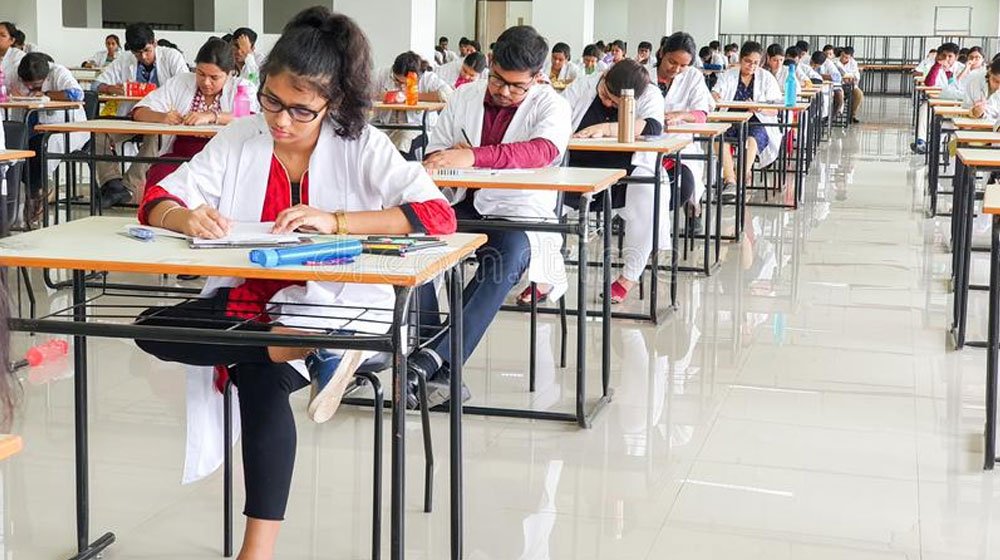
Currently, students only get one chance per year to appear in the entry test, which have creates a pressure and opportunities of limits. Lawmakers have argued that a biannual system would:
- Reduce an academic pressure on the students
- Provide multiple chances for admission
- Improve fairness in the selection process
- Help fill vacant seats in medical colleges more efficiently
The committee have believes that increasing the frequency of exam could make the process of admission as more flexible and student-friendly.
Concerns Over Medical Education Accessibility
During the meeting, Senator Anusha Rahman have highlighted a growing concern: many young people in the Pakistan are struggling to access a quality education both as locally and internationally.
Committee members have stressed that:
- Medical education opportunities in Pakistan remain limited
- Studying abroad has become financially difficult for most families
- The system is not producing enough support for talented students
This imbalance, they noted, is creating a frustration in among the youth who aspire to enter the medical profession.
High Cost of Medical Education Under Scrutiny
Another major issue which is discussed was the rising cost of a medical education, especially in the private colleges.
Committee members have pointed out that the students often invest a millions of rupees in their medical degrees. However, after a graduation, many are offered a very low starting salaries, sometimes as low as a Rs. 25,000 per month.
This gap in between an investment and return was described as deeply concerning and unsustainable. Lawmakers have argued that such a conditions have discourage the students and undermine the value of a medical education in the country.
Vacant Seats and System Inefficiencies
The issue of a vacant seats in the medical and dental colleges have also came under a discussion.
Despite a high number of an applicants each year, some institutions have still fail to fill all the available seats. The committee called for:
- A detailed investigation into the reasons behind vacant seats
- Improved planning of admission and merit systems
- Better coordination in between an authorities of regulatory and institutions
Officials have emphasized that an inefficiencies in the system are wasting a valuable educational resources.
Questioning Degree Recognition and Standards
Members have also raised a concerns as regarding the international recognition of a dental and medical degrees that are issued in the Pakistan.
They have questioned that whether a graduates are meeting a global standards and whether a processes of an existing accreditation are strong enough.
To address these concerns, the committee have proposed forming a separate group of expert to:
- Evaluate degree recognition standards
- Align local education with international benchmarks
- Improve the credibility of Pakistani medical qualifications
Role of PMDC and Institutional Accountability
The committee which have directed the Pakistan Medical and Dental Council (PMDC) to present a detailed recommendations in its upcoming meeting in council.
PMDC has been asked to:
- Review MDCAT structure and policies
- Provide solutions for vacant seat issues
- Improve a transparency in the admissions and regulations
Lawmakers have stressed that a bodies of regulatory must ensure an accountability and fairness in across the entire system.
Inclusion of Stakeholders in Future Meetings
To ensure a more inclusive decision-making process, the subcommittee have decided to invite:
- Vice chancellors of a medical universities
- Student representatives
- Education experts of policy
The goal is to gather a feedback from all the stakeholders as before finalizing any major reforms.
Officials have believe that the involvement of student is essential to designing a system that have truly reflects a real challenges on the ground.
Provincial Coordination Issues Highlighted
Another key issue which was raised was the lack of a coordination in between a provincial authorities and PMDC regarding to the policies of a medical education.
According to the members of committee, these differences are creating a confusion and administrative delays, which have ultimately affecting the students.
The subcommittee have stressed the need for:
- Unified national policy implementation
- Better communication between provinces and regulators
- Harmonized admission and examination systems
Also Read: Federal Urdu University Boycott Teachers Announce of Classes and Exams Over Administrative Disputes
Toward a Reformed Medical Education System
The Senate subcommittee have concluded that the medical education system of Pakistan have requires an urgent and comprehensive reform.
Key priorities have include:
- Making MDCAT more flexible and accessible
- Reducing a financial burden on the students
- Ensuring a fair opportunities of employment for the graduates
- Improving a transparency in the admissions and regulation
- Aligning the standards of education with a global expectations
Lawmakers have emphasized that without a structural changes, the system will continue to produce an inefficiencies and dissatisfaction in among the students.
FAQs
What is the new proposal for a MDCAT in the Pakistan?
The committee of Senate has proposed conducting an MDCAT twice a year instead of once to give students a more opportunities of admission.
Why is MDCAT being considered as twice a year?
It is intended to reduce a pressure on student, improve the flexibility, and help to fill a vacant seats in the medical and dental colleges.
What issues were discussed in the meeting of Senate?
The meeting have reviewed a policies of medical education, high fees, concerns of an unemployment, vacant seats, and lack of a transparency in the system.
Will MDCAT twice-a-year policy be implemented as immediately?
No, it is still a proposal. The Pakistan Medical and Dental Council (PMDC) will review and submit a recommendations as before any final decision.
Conclusion
The proposal to conduct MDCAT twice a year have represents a potentially transformative shift in the medical education policy of Pakistan. While still under a review, the idea have reflects a growing pressure on the policymakers to modernize the system, reduce a stress of student, and improve a fairness in an admissions.
If implemented as effectively, these reforms could significantly improve an access to the medical education and help to address a long-standing structural issues in the sector.